
Training Needs Analysis: A Strategic Process in Business Life and Employee Development

Digital transformation, artificial intelligence, and automation are rapidly changing the dynamics of the business world. This change is forcing the workforce to adapt its competencies as well. Companies that can sustain success will be those that not only meet the requirements of today but also invest in the future career development of their employees and quickly adapt to change. In this regard, accurately analyzing training needs has become quite important to ensure that employees can develop their competencies.
What is Training Needs Analysis and Why is it Important?
Training Needs Analysis is a process that is at the heart of human resources management and is strategically important for achieving the company's goals. This analysis allows for determining employees' current competency levels and identifying the areas where they need development. Special training plans are created to enhance both individual performance and contribute to the overall success of the company. By utilizing this process as a strategic tool, companies can positively impact not only efficiency but also engagement, motivation, and long-term success in the workplace.
"The best way to develop people's abilities is to understand their real needs. Training needs analysis is a bridge that provides that understanding." — Daniel Pink
McKinsey Research: The Impact of Training Investments on Performance
According to a comprehensive study conducted by McKinsey in 2021, companies that accurately conduct training needs analysis achieve a 30% higher return on their training investments. Companies that correctly perform training needs analysis create strategies to develop their employees and significantly increase their performance.
Developing Technological Skills: Digital Transformation and Education
According to McKinsey's analysis, investments in technology-focused training programs have increased companies' adaptation speed to digital transformation by 50%. This demonstrates how critical investment in technology is in a world where digital skills are becoming increasingly important.
Leadership Development: Training for Senior Executives
Training aimed at developing leadership skills enables senior executives to make faster and more effective decisions. When managers improve their leadership skills, they enhance their capacity to cope with challenging situations such as crisis management, contributing to the company's resilience against crises.
"Good leaders are adept at identifying their employees' development needs. Training needs analysis is central to this process." — Marshall Goldsmith
Training Needs Analysis and Talent Management: Strategic Connections
Talent management is the process of effectively guiding a company’s human capital. One of the key elements of this strategic approach is training needs analysis. According to Armstrong, this analysis helps employees be more efficient in their current roles and prepares them for future opportunities. Employees whose training needs are accurately analyzed play a significant role in progressing their own career development while also contributing to the company's strategic goals.
For instance, Salesforce encourages continuous learning among its employees by combining training needs analysis with talent management strategies. The company's "Trailhead" platform continually allows employees to enhance their knowledge and skills in different areas and becomes an important strategic tool in talent management.
Investing in Training Processes: The Key to Competitive Advantage
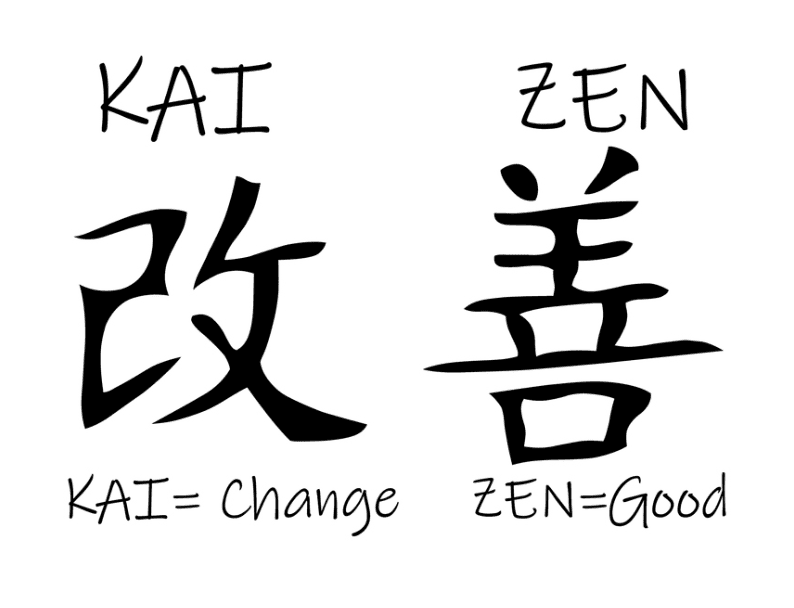
Investing in training processes has become increasingly critical for companies to enhance their competitive power. Organizations can quickly adapt to changes in the industry by investing in training processes aimed at developing their employees' competencies. Toyota’s Kaizen approach emphasizes the importance it places on training processes. This approach contributes to the company's sustainable success in the global market.
A study conducted by Gallup in 2021 shows that the lack of career development opportunities increases turnover rates. This situation indicates that companies need to enhance employee satisfaction by investing in training processes.
The Role of Human Resources in Training Needs Analysis
The Human Resources department plays a critical role in the training needs analysis process. HR experts analyze employees' competencies, identify development areas, and create training programs. Leading firms such as Accenture and Deloitte systematically apply training needs analysis to enhance their sustainable success and employee engagement.
The Training Needs Analysis Process: An Effective Step-by-Step Guide
For companies to successfully conduct training needs analysis, the Human Resources department must follow several steps. Here are those steps:
📍 Determining Goals
📍 Employee Feedback
📍 Performance Analysis
📍 Job Analyses
📍 Data Collection
📍 Benchmarking
📍 Determining Training Methods
📍 Pilot Applications
📍 Monitoring and Evaluation
These steps involve the systematic approach and strategic planning necessary for an effective analysis process. Companies can align training needs with organizational goals by implementing these processes, thereby increasing organizational success.
Identify Your Training Needs Accurately with Keiken, Achieve Success!
Training needs analysis processes should be tailored specifically to each company's culture and structure. Keiken Consultancy assists you in accurately identifying your company's training needs and future goals with its Training Needs Analysis service. This way, you can maximize your employees' potential and contribute to achieving your company's strategic objectives.
You can contact us for more information and consultancy!
Contact:
Web: keiken.com.tr
Email: info@keiken.com.tr
Instagram: @keikendanismanlik
Facebook: Keiken Danışmanlık
LinkedIn: Keiken Danışmanlık
References
Akin, H., & Rieg, T. (2015). Pilot Training Programs: Design and Evaluation. Journal of Adult Education.
Brinkerhoff, R. O. (2003). The Success Case Method: A Strategic Evaluation Approach. Berrett-Koehler Publishers.
Kirkpatrick, D. L., & Kirkpatrick, J. D. (2006). Evaluating Training Programs: The Four Levels. Berrett-Koehler Publishers.
Kolb, D. A. (1984). Experiential Learning: Experience as the Source of Learning and Development. Prentice Hall.
Noe, R. A., & Wilk, S. L. (1993). Factors Influencing Employees' Participation in Development Activities. Journal of Applied Psychology, 78(2), 291-302.
Armstrong, M. (2021). Strategic Human Resource Management: A Guide to Action (6th ed.). Kogan Page.
McKinsey & Company. (2021). Training and Development for the Future of Work.
PwC. (2020). Workforce of the Future: The Competing Forces Shaping 2030.
Salesforce. (2023). Trailhead: The Fun Way to Learn. link
Gallup. (2021). Why Employees Leave: The Importance of Career Development.
Hashtags:
#humanresources #hr #keikenconsultancy #keiken #trainingneedsanalysis #sustainability